
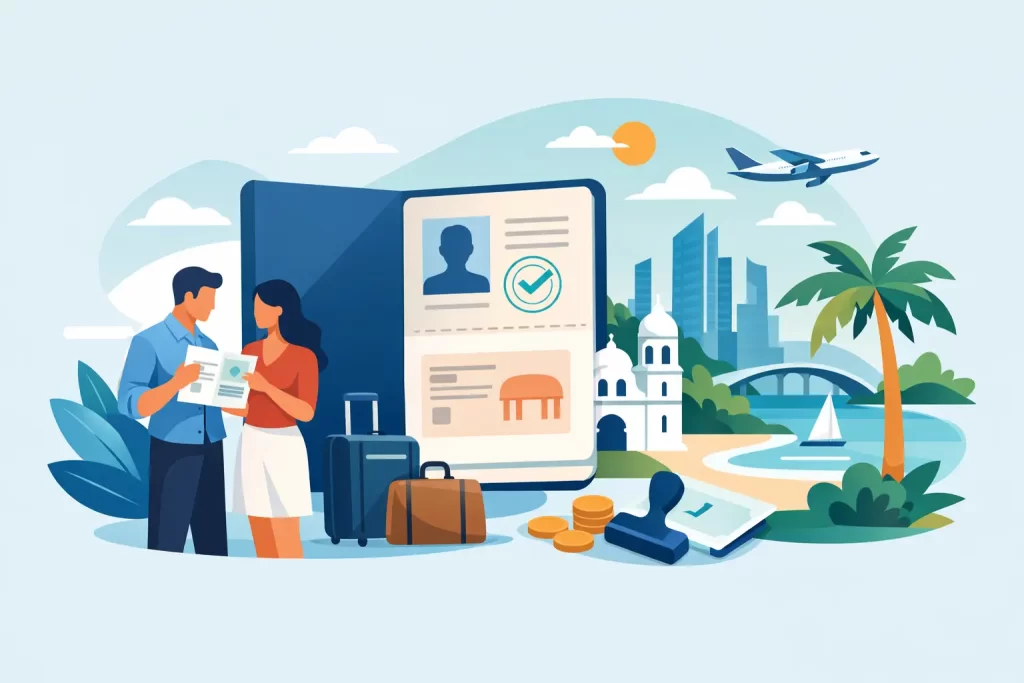
Panama usually moves from “interesting option” to “serious plan” the moment someone realizes it can support both lifestyle goals and long-term structuring. For retirees, investors, and business owners, the real question is not whether Panama is attractive. It is how to get Panama residency in a way that fits your finances, timeline, family needs, and compliance obligations.
That distinction matters. Panama offers several residency routes, but they are not interchangeable. The right path depends on where your income comes from, whether you want to invest, how quickly you need status, and what kind of long-term presence you want to maintain in the country.
How to get Panama residency starts with the right category
The first step is choosing the residency program that matches your profile. Many applicants begin by asking for the “best” visa, but in practice, the best option is the one that is legally appropriate and operationally efficient for your situation.
One of the most recognized paths is the Pensionado program, which is often a strong fit for retirees with qualifying lifetime pension income. It is attractive because it can offer a straightforward route for those who meet the income threshold and genuinely plan to base part of their life in Panama. If your income comes from a private pension, government retirement plan, or similar permanent source, this may be the most practical starting point.
Another common route is the Qualified Investor program, which is designed for individuals willing to make a qualifying investment in Panama. This category appeals to higher-net-worth applicants who want a residency option tied to capital deployment rather than retirement income or employment. It can be efficient, but it also requires careful planning around the structure, timing, and documentary support for the investment.
There are also options connected to economic activity, family relationships, or employment structures. These can work well for entrepreneurs, foreign executives, and families relocating together, but they usually demand closer coordination between immigration, corporate, and tax planning.
What most applicants need before they file
Residency in Panama is not just a form submission. It is a legal process built on identity documents, financial proof, and a clear basis for the application. In most cases, applicants should expect to prepare core civil documents such as passports, police records, and supporting evidence for the chosen residency category.
These documents often need to be properly authenticated and translated for use in Panama. That sounds simple until timing becomes an issue. Some records expire for immigration purposes after a short period, which means collecting them too early can create delays just as easily as collecting them too late.
This is where planning becomes more valuable than speed. A rushed filing with incomplete or inconsistent documents can create avoidable setbacks. A coordinated filing, by contrast, tends to reduce friction and make interviews, registration, and follow-up requests easier to manage.
The application process in practical terms
If you are trying to understand how to get Panama residency, it helps to think of the process in phases rather than one single event.
The first phase is eligibility analysis. This is where you confirm which residency path fits your profile and what evidence will be required. A retiree with pension income, a real estate investor, and a business owner may all qualify for residency, but their filings will look very different.
The second phase is document preparation. This includes collecting records from your home country, reviewing whether they meet Panamanian standards, arranging translations where necessary, and preparing local legal paperwork. If dependents are included, the file becomes more detailed because family relationship documents and additional proof are usually required.
The third phase is filing in Panama. Depending on the category, this can involve submission to immigration authorities, local registrations, and temporary documentation while the application is under review. Some applicants need to be physically present in Panama for key steps, so travel planning matters.
The fourth phase is post-approval compliance. Getting approved is a major milestone, but it is not always the end of the process. Some categories require follow-up steps, card renewals, or continued compliance tied to the original basis of the residency.
Investment, retirement, or business: which route makes sense?
For retirees, the Pensionado route is often the most natural choice because it aligns with lifestyle relocation and stable income. It can also be appealing if your goal is to enjoy Panama as a long-term home base without building a complex corporate structure.
For investors, an investment-based route may offer more flexibility if retirement income is not the basis of the move. The trade-off is that the investment must be planned correctly. Buyers sometimes assume any property purchase or bank deposit will qualify, but immigration rules are more specific than that. The source of funds, ownership structure, and supporting records all matter.
For entrepreneurs and business owners, residency may be only one piece of a larger move. You may also need a Panamanian company, ongoing accounting support, tax guidance, labor compliance, or real estate advice. In those cases, the residency strategy should be built alongside the business strategy, not separately. A visa that works on paper can still be a poor fit if it creates unnecessary operational complexity.
Common mistakes that slow down approval
The biggest mistake is choosing a category based on headlines rather than facts. its important to consult with an immigration attorney, as the right answer for one applicant may be the wrong answer for another.
Another common issue is underestimating document standards. Names must match exactly across records. Dates, marital status, and financial evidence need to be consistent. A small discrepancy in one country may be treated as minor, but in immigration processing it can trigger extra review.
Applicants also tend to overlook the link between immigration and tax planning. Residency status does not automatically answer questions about tax residence, foreign reporting, corporate obligations, or wealth structuring. For US citizens in particular, moving to Panama can create opportunities, but it does not remove the need for careful cross-border compliance.
Finally, people sometimes treat residency as a standalone transaction when it is really part of a broader relocation decision. Housing, banking, insurance, entity setup, and family planning often become urgent immediately after immigration filing begins. Handling those pieces in isolation can make the transition feel harder than it needs to be.
How to get Panama residency without creating future problems
The cleanest applications are usually the ones designed with the next two or three years in mind. That means asking practical questions early. Will you spend substantial time in Panama? Will your spouse and children apply with you? Are you buying property personally or through an entity? Will you need local payroll, accounting, or business licensing later on?
Those questions shape more than the visa file. They influence how you document your finances, how you structure investments, and how you prepare for ongoing obligations after approval. For some clients, the right move is a simple retirement-based residency. For others, a more integrated plan is worth it because residency is only the first step in building a life or business presence in Panama.
That is why many applicants benefit from working with a single advisory team that can coordinate immigration, corporate, tax, and relocation matters together. For clients who want that kind of support, Prime Solutions Tax & Legal approaches residency as part of a broader transition rather than an isolated filing.
Timing, cost, and expectations
Panama residency is achievable, but it is not identical for every applicant. Processing times vary by category and by the condition of the file. Costs also vary depending on the program, the number of dependents, translation needs, government fees, and whether investment or corporate structuring is involved.
A realistic expectation is more useful than an optimistic one. If your documentation is clean and your category is well chosen, the process can move efficiently. If your case involves multiple jurisdictions, family members, source-of-funds review, or business restructuring, it may take more coordination.
The key is not to chase the fastest-looking option. It is to choose the route that is sustainable, compliant, and aligned with why you want Panama in the first place.
For most serious applicants, the best next step is not another hour of online research. It is a focused review of your goals, documents, and timeline so the residency path you choose still makes sense after the approval stamp is in place.
Do we need an address in Panama if we want to apply for residency ?
Kind regards for your reply.
Flip Pronk
Thank you for your question, Flip.
Yes, in most Panama residency processes, you will need to provide an address in Panama. The type of proof required may depend on the visa category and your specific situation, but it is common to use a lease agreement, utility bill, or other valid address documentation.
If you are still planning your move, we recommend reviewing your residency option first so we can guide you on when and how to secure the correct address documentation.
You can schedule a consultation with our team here:
https://primesls.com/book-free-consultation-contact-us/
Pingback: Buying Property in Panama as a Foreigner - Prime Solutions Tax & Legal
Pingback: Asset Protection in Panama That Holds Up - Prime Solutions Tax & Legal
Pingback: Panama Relocation Planning Guide - Prime Solutions Tax & Legal