
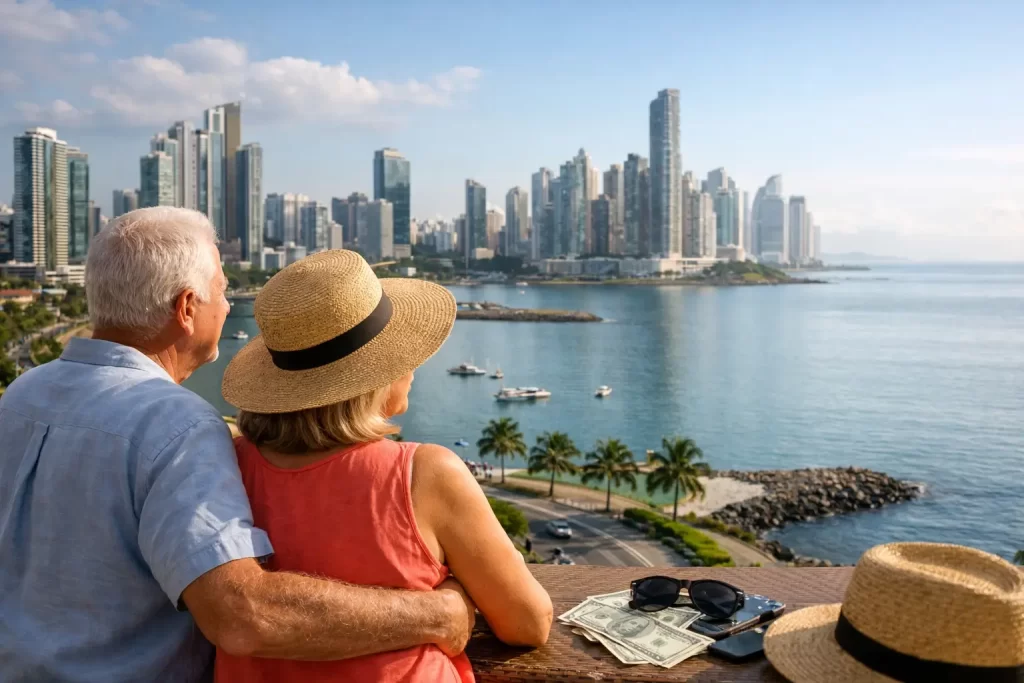
A couple can feel financially comfortable in Panama on a budget that would be tight in many parts of the United States – but only if they choose the right location, housing setup, and residency strategy. That is the real story behind the cost of living in Panama for retirees. Panama can be affordable, but it is not uniformly cheap, and your monthly expenses can vary sharply between Panama City, beach areas, mountain towns, and smaller inland communities.
For retirees considering a move, the better question is not whether Panama is low cost. It is whether Panama fits your preferred standard of living without creating tax, legal, or logistical surprises. That is where careful planning matters.
What shapes the cost of living in Panama for retirees
Retirement costs in Panama are driven less by headline prices and more by lifestyle choices. Housing is usually the biggest variable. A retiree renting a modest apartment in a smaller city or interior town may spend far less than someone choosing a furnished condo in a prime Panama City neighborhood or an ocean-view unit in a popular expat market.
Imported goods also make a noticeable difference. If you are comfortable buying local produce, local brands, and using local services, monthly costs can remain reasonable. If you want imported groceries, premium wine, private drivers, and a fully international lifestyle, your budget will rise quickly.
Healthcare, transportation, and residency status also affect spending. Some retirees rely mostly on private clinics and specialists, while others combine private care with a more moderate routine. Some own a car, while others choose neighborhoods where they can walk or use rideshare services. Small decisions add up.
Housing costs by area
Housing deserves close attention because it can either preserve your retirement income or steadily pressure it. In Panama City, a modern one-bedroom rental in a desirable central area can range from roughly $900 to $1,800 per month, with luxury units going well beyond that. Move farther from premium districts, and the price can drop, sometimes significantly.
In places such as David, Boquete, Coronado, or certain smaller coastal and interior markets, housing may be more accessible, but each area comes with trade-offs. Boquete, for example, remains attractive for retirees who prefer a cooler climate and established expat services, yet popularity has pushed some prices upward. Coronado offers convenience and beach access, but properties geared toward foreign buyers can command a premium.
Retirees who buy instead of rent should look beyond the purchase price. Building fees, maintenance, insurance, furnishing costs, and legal due diligence can materially change the total cost of ownership. A low advertised price does not always mean a lower long-term cost.
Everyday living expenses
Outside housing, many retirees find day-to-day costs manageable. Groceries can be moderate if you shop like a local, especially for fresh produce, seafood, chicken, rice, and seasonal items. A couple that mixes local supermarkets, neighborhood stores, and open-air markets may spend far less than a couple that relies heavily on imported packaged foods.
Dining out also spans a broad range. Lunch at a simple local restaurant can be inexpensive, while dinner in a high-end urban or resort area may resemble US pricing. Utilities depend on air conditioning use, apartment size, and location. In warmer regions, electricity can become a major monthly expense if cooling is constant.
Internet, mobile service, domestic help, and basic household services are often less expensive than in the US, but quality and responsiveness can vary by area. Retirees who prioritize convenience may decide to pay more for professionally managed buildings or neighborhoods with stronger infrastructure.
Healthcare and insurance for retirees
Healthcare is one of Panama’s strongest considerations for retirees, but costs still need a realistic review. Private healthcare is generally more affordable than in the US, especially for routine visits, diagnostics, and many specialist consultations. That said, affordability depends on age, pre-existing conditions, insurance eligibility, and the type of provider you prefer.
Some retirees maintain international insurance. Others purchase local coverage if available and suitable. Some pay out of pocket for routine care because the cost is manageable, while reserving insurance for larger medical needs. There is no single right approach.
The practical issue is access, not just price. Panama City offers the broadest concentration of private hospitals, specialists, and internationally oriented care. Smaller cities may cover routine needs well, but more complex cases can still draw you back to the capital. If medical access is central to your retirement plan, lower rent in a remote location may not be the best financial decision overall.
Transportation, taxes, and lifestyle extras
Many retirees are surprised that transportation costs can remain relatively modest, especially if they do not need a car every day. In walkable neighborhoods or areas with reliable rideshare options, a couple may spend less than expected. Car ownership brings insurance, maintenance, fuel, registration, and the usual replacement cycle, so it only makes sense if your location truly requires it.
Tax planning is another area where assumptions can cause problems. Panama has features that are attractive to international retirees, but your overall tax exposure depends on your citizenship, residence structure, income sources, asset ownership, and reporting obligations in other countries. A lower monthly living cost does not automatically mean a simpler financial life.
Retirees should also budget for recurring professional needs such as residency renewals, document processing, banking support, accounting, estate planning updates, or corporate compliance if they hold property or investments through legal entities. These are not monthly grocery expenses, but they are part of the real cost of relocating well.
A realistic monthly budget range
For many retirees, a comfortable monthly budget in Panama falls somewhere between $2,000 and $4,500 for a couple, excluding major one-time setup costs. On the lower end, that usually means careful location selection, moderate rent, local shopping habits, and a relatively simple lifestyle. On the higher end, it may include premium housing, frequent dining out, private insurance, regular travel, and imported goods.
Some retirees spend less. Others spend much more. A single retiree in a smaller market may live comfortably on a much lower amount than a couple renting in central Panama City. What matters is matching budget to expectations before you move, not after.
Where retirees can overspend without realizing it
The most common budgeting mistake is choosing a location based on vacation impressions rather than full-time living needs. A neighborhood that feels perfect for two weeks may be expensive, inconvenient, or isolating over twelve months. Another common mistake is underestimating setup costs such as deposits, furnishings, legal fees, driver licensing, and private health arrangements.
There is also a tendency to compare Panama only to the most expensive US cities. That can create unrealistic optimism. If you are moving from Manhattan, San Francisco, or Miami, Panama may feel very cost-effective. If you are moving from a lower-cost area in the US, the savings may be narrower, especially if you want a polished expat lifestyle.
Planning beyond the monthly number
A sound retirement move is not just about finding a lower-cost apartment. It is about structuring residency, healthcare, banking, taxes, and property decisions in a way that supports long-term stability. That is particularly important for retirees with investment income, international assets, trusts, family considerations, or future estate planning needs.
This is where a coordinated advisory approach can reduce risk. Firms such as Prime Solutions Tax & Legal work with clients who want more than a price estimate – they want clarity on how their retirement budget fits with immigration requirements, legal structuring, and cross-border planning.
Panama can offer real value for retirees, but the best outcomes usually come from treating the move as a strategic life decision rather than a bargain hunt. If the numbers work and the structure is right, retirement in Panama can feel both financially sustainable and refreshingly straightforward.