
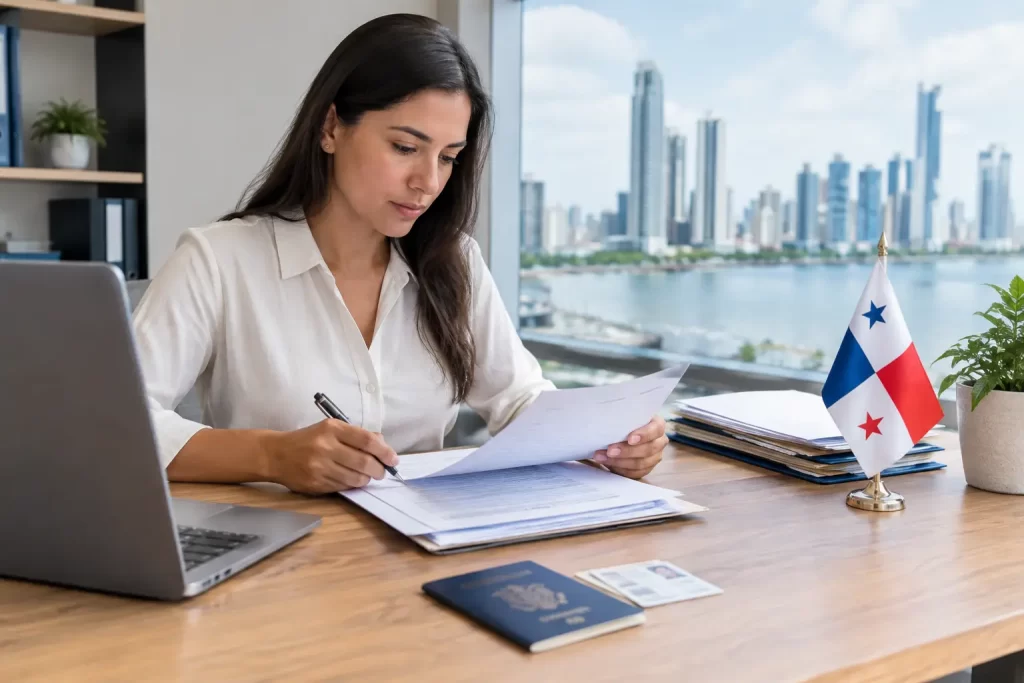
A residency application can look straightforward until a document issued abroad arrives with the wrong certification, an apostille falls outside the permitted validity period, or a name is spelled differently than it appears on a passport. Panama immigration file preparation is not simply an administrative task. It is the process of building a consistent, legally supportable record that allows an immigration application to move forward without preventable delays.
For retirees, families, entrepreneurs, and investors, the quality of the file often determines whether the relocation process feels organized or stressful. The right preparation starts well before the appointment in Panama, particularly when documents must be obtained from more than one country.
Why immigration file preparation matters in Panama
Panama offers several residency pathways, each designed for a different personal, professional, or investment profile. The supporting evidence for a pensioner may differ substantially from that required for an investor, a foreign employee, a dependent family member, or an applicant using economic ties to Panama. A document that is appropriate for one route may be irrelevant or insufficient for another.
This is why collecting documents from a generic checklist can create problems. The file should be designed around the selected immigration category, the applicant’s source of income or investment, family circumstances, and long-term plans in Panama. A client seeking permanent residency before purchasing property, for example, may require a different strategy from an investor whose Panamanian company will form part of the application.
Preparation also matters because immigration requirements operate alongside practical concerns. Bank onboarding, real estate transactions, corporate formation, tax registration, and school enrollment may each require their own records. Coordinating these workstreams early can reduce duplicate requests and avoid decisions that conflict with the residency plan.
Start with the right residency strategy
Before ordering certificates or requesting official letters, determine the immigration route that best fits the facts. The most suitable option is not always the one that appears quickest on paper. It should align with the applicant’s financial position, timeline, family structure, and reason for establishing a presence in Panama.
A retiree with a qualifying lifetime pension may prioritize a pathway that recognizes stable retirement income. An entrepreneur may need to consider both personal residency and the legal structure of the Panamanian business. A family relocating from the United States may need to plan principal and dependent applications together, while confirming how each family member’s civil documents will be presented.
At this stage, precision saves time later. Immigration rules, administrative practices, and documentary standards can change. A current review helps ensure that the proposed route remains available and that the supporting evidence will meet the standard expected when the application is filed.
Build a document map before collecting records
A document map turns a long checklist into a managed plan. It identifies what is needed, who will obtain it, where it will be issued, whether it needs apostille or legalization, whether a certified Spanish translation will be required, and how long it remains valid.
For many applicants, core documents include a valid passport, criminal background records, proof of financial means or qualifying income, and civil status documents such as marriage or birth certificates where applicable. Depending on the category, the file may also need corporate records, property documents, bank letters, investment evidence, employment materials, or proof of relationship for dependents.
The details matter. Names, dates of birth, passport numbers, and marital status should match across the entire file. If a surname changed through marriage, divorce, or another legal event, the file may need documents that explain the difference. Small inconsistencies are often manageable, but they should be identified before submission rather than explained after a question arises.
Apostilles, translations, and document timing
Foreign public documents generally need to be authenticated for use in Panama. For documents from countries participating in the Hague Apostille Convention, this typically means obtaining an apostille from the competent authority in the issuing jurisdiction. Documents from other jurisdictions may require a consular legalization process instead.
Authentication is only one part of the process. Immigration authorities may require documents to be recent, especially criminal record certificates, bank letters, and certain supporting statements. Obtaining every document too early can be just as problematic as waiting too long. An applicant may arrive in Panama with a carefully assembled file only to find that a time-sensitive document must be reissued.
Spanish translations deserve equal attention. Documents prepared in English or another foreign language may need an official translation for filing. The translation should accurately reflect stamps, apostilles, names, and material information in the original. It is wise to preserve clear scans and physical originals, since other institutions may request them after the immigration filing.
Financial evidence must tell a clear story
For applicants using pension income, investments, deposits, property, business activity, or another economic basis, the supporting financial documents should do more than show a number. They should establish a coherent source of funds and connect that source to the residency category.
A bank statement may show sufficient balances but fail to explain ownership, accessibility, or the relationship between the account holder and the applicant. Corporate documents may demonstrate ownership but not necessarily the value or liquidity required for a particular process. A strong file anticipates these questions and presents evidence in a logical order.
This is especially relevant for high-net-worth individuals and business owners with assets across jurisdictions. Immigration planning should be coordinated with tax, wealth, and corporate considerations. Moving assets, opening accounts, creating a company, or purchasing property solely to meet an immigration objective can have broader legal and tax consequences. The appropriate structure depends on the client’s full cross-border position, not only the residency application.
Common gaps that delay otherwise strong applications
Most avoidable delays come from process issues rather than a lack of eligibility. A certificate may be issued by the wrong authority, a document may lack the required authentication, or an applicant may submit copies when originals are expected. In other cases, a dependent’s file is incomplete because relationship documents were not prepared at the same time as the principal applicant’s records.
Another common issue is treating the filing date as the finish line. Residency applications can involve follow-up appointments, temporary documentation, card issuance, renewals, or later steps toward permanent status. Travel plans should be coordinated carefully, particularly when an applicant must be present for biometrics, signatures, or collection of documents.
A well-prepared file also accounts for practical timing. If a client is selling a home, retiring from employment, moving children between schools, or winding down a foreign business, the immigration timeline should be integrated with those commitments. Rushing an application can create unnecessary pressure when a more deliberate filing schedule would better protect the client’s options.
A coordinated approach reduces friction
Panama immigration file preparation is most effective when immigration counsel works in step with the client’s broader transition. Personal residency may intersect with company formation, tax residency analysis, real estate due diligence, payroll, accounting, and estate planning. These matters do not always need to be completed at once, but they should be considered in the proper sequence.
For example, an entrepreneur may first need to establish how a Panamanian entity will operate before using corporate documentation in a residency file. A retiree may want to understand tax implications before moving investment income or arranging local banking. A family may need immigration timing that supports a planned relocation date without compromising the quality of the application.
Prime Solutions Tax & Legal approaches these decisions as part of one coordinated plan, helping clients organize the legal, financial, and practical details around their move to Panama. The goal is not merely to submit paperwork. It is to support a smooth and worry-free transition with a file that reflects the client’s actual circumstances.
Prepare early, file with purpose
The strongest immigration files are rarely assembled in a hurry. They are built with a clear residency strategy, current document requirements, realistic timelines, and careful attention to consistency. Starting early gives applicants time to correct records, secure apostilles, coordinate translations, and make informed decisions about related tax or corporate matters.
If Panama is part of your retirement, investment, family, or business plan, treat the immigration file as the foundation for the next stage of that plan. Careful preparation creates room to focus on the opportunity ahead rather than chasing documents after the move has already begun.